
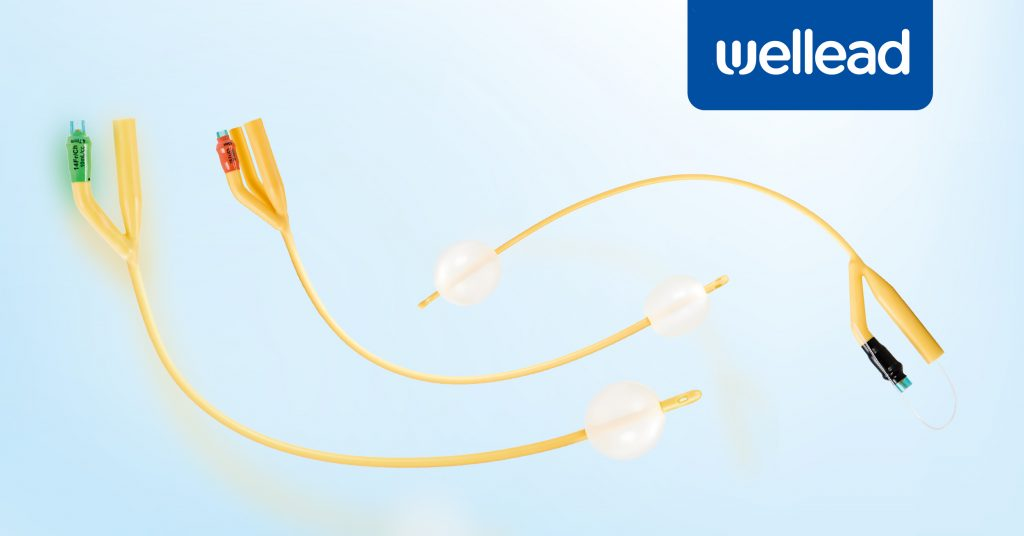
Long-term urinary management has seen significant improvements with innovative solutions. Well Lead Medical has developed devices that ensure patient comfort and reliable performance in clinical settings. Among these, the latex foley catheter is widely utilized for maintaining bladder drainage in patients who experience urinary incontinence or require continuous urine management under medical supervision. Its design emphasizes both safety and ease of use, making it an essential tool in various healthcare facilities.
Design and Functionality
The latex foley catheter from Well Lead Medical features a water-filled retention balloon that secures the catheter in the bladder. This design allows for uninterrupted drainage into a collection bag, supporting patient hygiene and reducing the risk of complications associated with urinary retention. The material selection is also critical; latex offers flexibility and biocompatibility, which facilitates smooth insertion and minimizes discomfort for patients. Healthcare providers often rely on this device in settings where long-term catheterization is required.
Applications in Healthcare
In clinical practice, Well Lead Medical products are utilized in diverse scenarios. The latex foley catheter is particularly valuable for patients undergoing surgeries that impair bladder control or for individuals with chronic conditions such as urinary retention. By providing continuous and controlled drainage, these catheters support medical teams in monitoring fluid output and maintaining proper urinary function. Additionally, their reliable construction ensures consistent performance throughout extended use periods, which is critical in hospitals and long-term care facilities.
Conclusion
The latex foley catheter by Well Lead Medical represents a practical solution for urinary management challenges. Its combination of comfort, flexibility, and functional reliability underscores its relevance in patient care. Medical professionals appreciate its consistent performance, while patients benefit from reduced discomfort and enhanced mobility during catheterization. Overall, the product exemplifies how well-designed medical devices can improve both clinical outcomes and patient experiences.
