
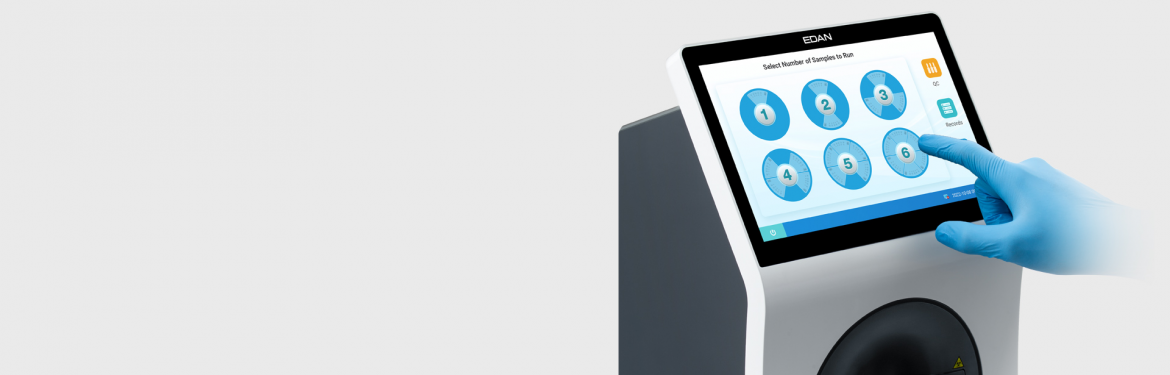
In clinical settings where precision matters, choosing the right equipment influences both workflow and patient care. With molecular diagnostic testing becoming increasingly integral to early detection and disease monitoring, clinics and hospitals are placing greater emphasis on the physical and technical specifications of diagnostic analyzers. Among noteworthy systems, the EDAN CL30 stands out for its thoughtful balance of functionality and size, supporting laboratories that need dependable molecular analysis without the footprint of traditional lab platforms.
Core Processing and Display Features
A high-quality analyzer must marry computational capability with an intuitive user interface. The EDAN CL30 integrates a 10.1-inch color touch screen that provides clear visuals and straightforward controls, helping healthcare professionals navigate molecular diagnostic testing workflows with ease. The display supports rapid interpretation of results and minimizes training time. Embedded processing hardware ensures that data handling and display do not lag during busy testing cycles, which is essential for maintaining throughput and efficiency in a clinical environment.
Multi-Channel Design and Throughput
The number of simultaneous operations a system can handle directly affects productivity. In the case of the EDAN CL30, the six-channel design allows up to six tests to be processed in parallel, cutting down waiting times and ensuring that molecular diagnostic testing keeps up with clinic demand when facing multiple samples. This capability is especially valuable in practices where rapid turnaround influences clinical decision-making and patient experience.
Connectivity and Data Handling
Integrated connectivity options play a crucial role in streamlining workflows. Reliable diagnostic analyzers should support bidirectional data exchange with laboratory and hospital information systems, reducing transcription errors and accelerating reporting. The EDAN CL30 has options for seamless data transfer to LIS/HIS/DMS systems, enabling labs to maintain organized records and support larger health informatics needs.
Physical Footprint and Environmental Compatibility
Hardware specifications such as dimensions and weight matter when space is at a premium. At under 8 kilograms and with compact dimensions, the EDAN CL30 fits neatly on benchtops without compromising performance. Additionally, the system is designed to operate reliably within typical clinical environmental conditions, supporting consistent molecular diagnostic testing across diverse settings.
Conclusion
Ultimately, dependable diagnostic analyzers balance processing power, usability, connectivity, and physical design. For facilities expanding their molecular capabilities, the EDAN CL30 exemplifies how considered hardware specifications can support efficient molecular diagnostic testing while fitting into everyday clinical workflows.
