
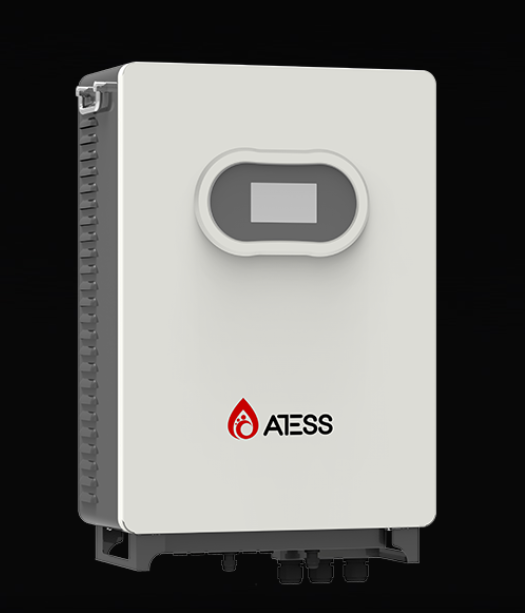
When buyers search for the cost of a 20kw hybrid inverter, they usually want a clear idea of what influences its market range. A 20kVA rating often aligns with similar power categories, so discussions around a 20kw inverter are commonly referenced for comparison. Companies like Atess approach this segment with solutions designed for commercial and small industrial users who need reliability across various grid conditions. The price depends on several elements: design complexity, certification coverage, long-term stability, and the ability to support sensitive loads. These factors matter to distributors and EPC firms evaluating equipment that must maintain smooth operation in challenging environments.
Technical Considerations Affecting Cost
Many users compare the price of a 20kVA device with that of a 20kw hybrid inverter, since both must meet requirements for mixed load demands and varied installation scenarios. The presence of hybrid functions—such as solar, grid, battery, and load management—often places the 20kw inverter in a category where engineering quality affects the overall investment. They offer solutions like the HPS15000TL/20000TL, which represent their all-in-one hybrid design philosophy. This model supports connections to the battery, load, grid, and solar system in a single unit, and it incorporates a touchscreen LCD to simplify parameter adjustments and routine maintenance. These design traits influence pricing because they reduce installation complexity and enhance operational convenience.
Market Context and Expected Price Range
Distributors assessing a 20kw hybrid inverter frequently focus on long-term reliability, especially for regions with unstable grids. When comparing the expected pricing of a 20kVA device to similar products such as a 20kw inverter, buyers also consider certification completeness and historical field performance. They build value on aspects like fast on/off-grid switching capabilities or the ability to serve areas lacking stable electrical infrastructure. These considerations contribute to typical pricing brackets seen in the market and guide procurement decisions for teams planning multi-site deployments.
Conclusion
Evaluating how much a 20kVA inverter costs involves reviewing its features, performance stability, and suitability for intended applications. A 20kw hybrid inverter with broad connectivity and maintenance-friendly design naturally differs in price from simpler versions, while a 20kw inverter remains a reference point for understanding that range. In this context, Atess provides options that help buyers identify where a particular model fits within their technical and budget expectations.
