
Energy management needs have evolved, prompting many facilities to reassess how they house their power systems. While older methods of electricity storage provided basic functionality for years, they often fall short when faced with current demands for efficiency and safety. Comparing these older systems with modern alternatives reveals significant operational differences.
Assessing Traditional Infrastructure
Conventional storage methods typically involve simple housing for energy cells. These units often function without integrated thermal control or sophisticated communication links. Because they lack built-in monitoring, operators frequently must perform manual checks to verify the status of the equipment.
The battery cabinet used in these legacy setups is often bulky and rigid. These enclosures rarely offer the modular flexibility required for high-density applications. Furthermore, older systems may struggle to manage the rapid charging and discharging cycles necessary for modern projects that interface with the grid.
Modern Solutions for Energy Management
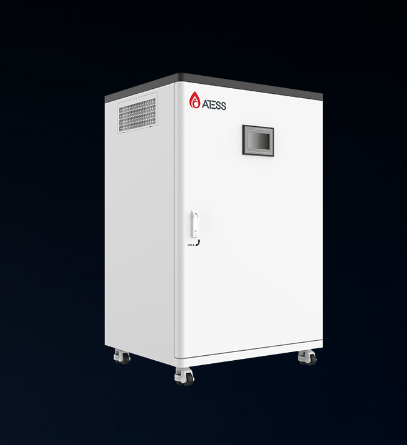
Current engineering trends prioritize safety alongside high performance. These modern units, such as those from Atess, integrate battery management systems directly into the enclosure to regulate cell conditions. By utilizing intelligent cooling and real-time data tracking, these systems provide a clearer picture of energy status.
When evaluating a battery storage cabinet against older hardware, the shift toward integration becomes apparent. These newer designs prioritize safety through active fire suppression and consistent environmental regulation. The engineering approach at Atess ensures the housing protects delicate cells while simplifying routine maintenance. This evolution allows for remote performance tracking, which decreases the frequency of manual site visits.
Evaluating Future Requirements
Upgrading power infrastructure requires a focus on long-term reliability and site-specific operational needs. Decision-makers should analyze how their existing hardware influences total system performance. A well-designed battery cabinet assists in minimizing energy loss, while an efficient battery storage cabinet ensures that equipment remains stable during variable weather or load conditions.
Transitioning toward updated technology impacts how facilities manage their stored energy. By prioritizing integrated safety and intelligent monitoring, organizations achieve more stable power distribution and increased longevity for their energy projects.
