
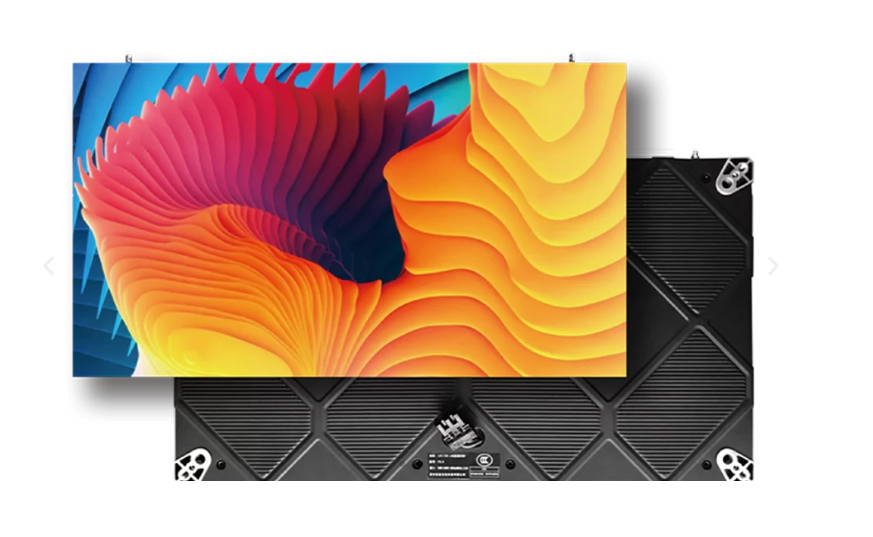
Long-term display performance depends on more than pixel quality. Dust control, module inspection, operating conditions, and service planning all affect ownership costs. For buyers evaluating a micro LED display, Ledman’s YS Series uses 0.4mm and 0.9mm pixel pitches and is described as an energy-saving HD solution based on patented technology.
Why Micro LED Maintenance Is Different
Fine pixel pitches require careful handling because individual modules contain densely arranged display components. Routine checks should focus on abnormal pixels, module uniformity, signal connections, power supplies, and cabinet conditions. Excessive pressure or unsuitable cleaning tools can create avoidable damage.
Compared with conventional LED systems, servicing a micro LED screen may require more precise module handling and calibration procedures, particularly where fine-pitch image consistency is important.
Build A Practical Service Routine
Scheduled inspections can include surface cleaning, brightness and color checks, cabinet ventilation, cable connections, and power-system testing. Environmental conditions should determine the inspection frequency rather than relying on a fixed calendar alone.
Remote monitoring can also help identify unusual temperatures, power interruptions, or signal faults before technicians visit the site. Keeping records of recurring issues makes maintenance planning more efficient and helps distinguish routine service from component replacement.
Review Warranty And Support Terms
Warranty documents should clearly state coverage periods, excluded conditions, response procedures, replacement-part arrangements, and responsibilities for labor or transportation. Buyers should also check whether pixel defects, power components, control systems, and modules are covered under separate conditions.
Service expectations matter especially for installations where downtime affects business operations. A support agreement can specify diagnostic response times and escalation procedures without assuming every issue requires immediate on-site intervention.
Conclusion
Effective ownership of fine-pitch displays comes from combining careful handling with structured inspection and clearly defined support terms. Cleaning protects the visible surface, monitoring identifies operational abnormalities, while qualified technicians handle issues requiring physical intervention. For organizations considering a micro LED display, maintenance planning should begin before installation rather than after the first fault appears. Ledman’s YS Series offers 0.4mm and 0.9mm options, giving buyers specific pixel-pitch choices when evaluating a micro LED screen for long-term use.
