
Yes, literature indicates that prenatal imaging techniques can usually detect signs of this skeletal dysplasia during the second trimester of pregnancy. During routine prenatal ultrasound examinations, doctors will focus on the fetal chest shape and related growth indicators, especially the ratio of chest circumference to abdominal circumference. If the fetal chest is significantly narrow and bell-shaped, with short or abnormally oriented ribs, asphyxiating thoracic dystrophy should be strongly suspected. This indicates abnormal chest development and limited thoracic cavity volume, which can severely affect lung development.
Genetic Screening and Inheritance
If ultrasound results suggest an abnormality, fetal MRI can be used as a supplementary examination to more clearly assess thoracic cavity volume and lung development. This is especially important for families with a history of the disease, as Jeune syndrome is an autosomal recessive genetic disorder. Early diagnosis is crucial for coordinating the intensive care required for the newborn after birth.
Clinical Symptoms After Birth
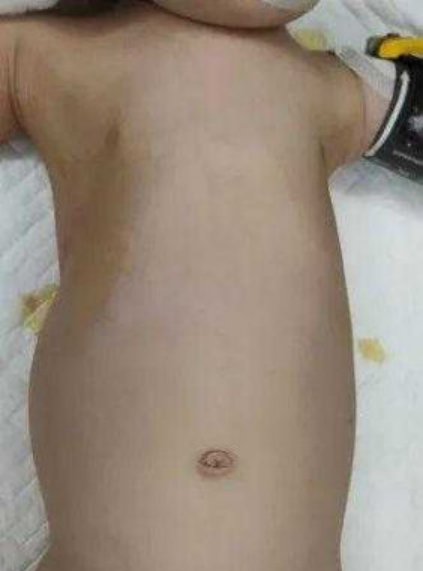
Infants with Jeune syndrome typically present with characteristic symptoms after birth due to severe thoracic restriction. The most prominent manifestation is respiratory insufficiency, caused by a narrow and constricted chest cavity that compresses the lungs, leading to hypoxia shortly after birth. Because the lungs cannot expand properly, many affected infants also develop localized infections, which further exacerbate the hypoxia. Prolonged hypoxia can affect overall growth and development, resulting in short stature in most affected children. In addition to respiratory abnormalities, patients may exhibit abnormalities in multiple organs throughout the body. The severity of symptoms varies, but respiratory dysfunction remains the primary and life-threatening clinical feature.
Surgical Expansion Expertise
For patients with Jeune syndrome, treatment focuses on increasing thoracic volume to relieve lung compression. At The Institute of Chest Wall Surgery (ICWS), an individualized surgical strategy is applied according to the specific deformity pattern. The combination of the Wenlin procedure and the Wang procedure can be applied to patients with both midline protrusion and lateral depressions on the chest wall, while chest wall expansion is suitable for those with overall chest wall narrowing. These methods are designed to improve respiratory function and long-term prognosis and significantly improve quality of life.
