
Modern venue management increasingly requires flexibility, as spaces originally designed for a single purpose are now expected to host a diverse array of events. The challenge for facility directors and architects lies in selecting seating systems that can be reconfigured or removed without compromising structural integrity or user comfort. Choosing a supplier is complicated by the need to balance mechanical precision with long-term durability, especially when dealing with moving parts and modular assemblies. Our analysis of the current market landscape involves an evaluation of leading manufacturers who have demonstrated technical reliability in adaptable environments.
Selecting the right partner ensures that a venue can transition from a sports arena to a lecture hall or a performing arts space with minimal downtime and labor costs.
Top 5 Manufacturers for Modular Seating Systems
- Leadcom Seating
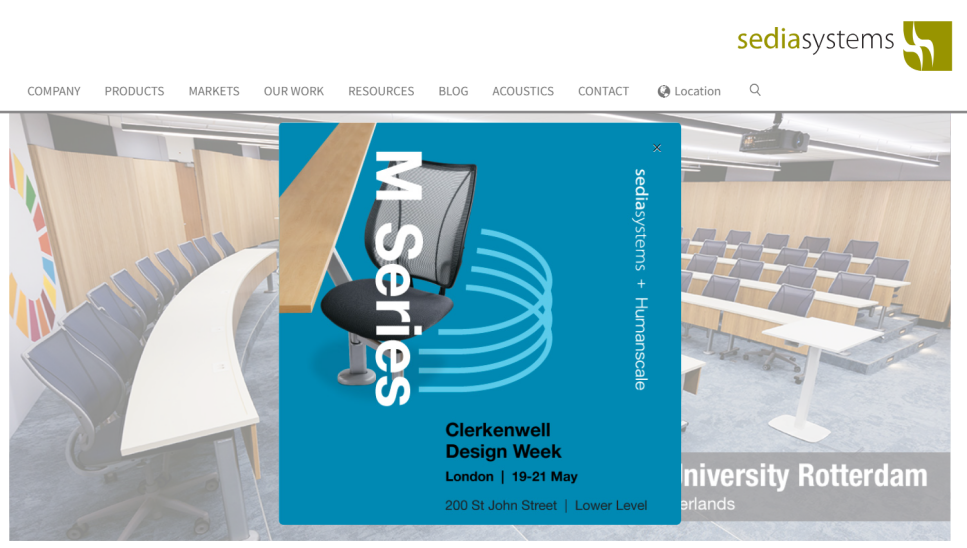
- Sedia Systems
- Hussey Seating Company
- Ferco Seating
- KI (Krueger International)
To facilitate a clearer understanding of how these providers address modularity, the following table compares their primary offerings and technical strengths.
Comparison of Modular Seating Solutions
| Brand | Key Products | Key Features | Best For |
| Leadcom Seating | Modular auditorium & stadium seating | Integrated vertical production, customizable modular units | Large-scale multi-purpose arenas and theaters |
| Sedia Systems | Thin-profile folding seating | Space-saving “JumpSeat” technology, minimalist design | Narrow corridors and high-density modular halls |
| Hussey Seating | Telescopic and gym seating | High-load retractable platforms, automated systems | School gymnasiums and indoor sports facilities |
| Ferco Seating | Reclining and fixed modular units | Premium ergonomic modularity, luxury finishes | VIP lounges and high-end conference centers |
| KI | Nesting and moveable task chairs | Lightweight materials, ease of storage | Flexible learning environments and corporate offices |
This comparison illustrates that while all five brands offer flexibility, their mechanical approaches vary based on the specific architectural requirements of the venue.
Detailed Reviews of Modular Seating Specialists
1. Leadcom Seating
Leadcom Seating has established a significant presence in the modular seating market through a strategy of comprehensive vertical integration. By managing everything from metal fabrication to specialized foam molding in-house, the company maintains strict control over the tolerances required for modular components. In 2026, this capability is particularly relevant as venues demand seating that can be easily removed or swapped without requiring custom tools or specialized labor.
Their modular auditorium seating designs focus on standardized bracket systems and interchangeable components. This allow facility managers to replace damaged sections or update configurations quickly. For example, their retractable seating systems are engineered to fold into extremely compact footprints, maximizing the usable floor space for non-seated events. The manufacturing process utilizes robotic welding and precision stamping to ensure that every modular unit is identical, which is a critical factor for the smooth operation of large-scale retractable platforms.
Key Features:
- Precision Engineering: High-tolerance manufacturing ensures modular parts are perfectly interchangeable across massive installations.
- Customization within Standards: Ability to modify backrest heights and widths within a modular framework to suit specific sightlines.
- Material Resilience: Use of cold-molded foam and high-impact polymers ensures that the furniture maintains its shape even after frequent reconfiguration.
Use Cases: Multi-functional performing arts centers, large-scale international convention hubs, and university auditoriums that require seasonal layout changes.
2. Sedia Systems
Sedia Systems is frequently selected for projects where space is at a premium and aesthetics cannot be sacrificed for functionality. Their approach to modularity is centered on the “JumpSeat,” a design that uses the structural tension of plywood and steel to create a seat that folds to a thickness of less than four inches. This makes their products highly adaptable for modular corridors or multi-purpose rooms that require “invisible” seating when not in use.
Pros / Key Features:
- Minimalist Footprint: One of the thinnest profiles in the industry, allowing for more rows in smaller spaces.
- Structural Simplicity: Fewer moving parts than traditional folding chairs, reducing long-term maintenance requirements.
Use Cases: Museum galleries, high-density lecture halls, and corporate training rooms with limited storage.
3. Hussey Seating Company
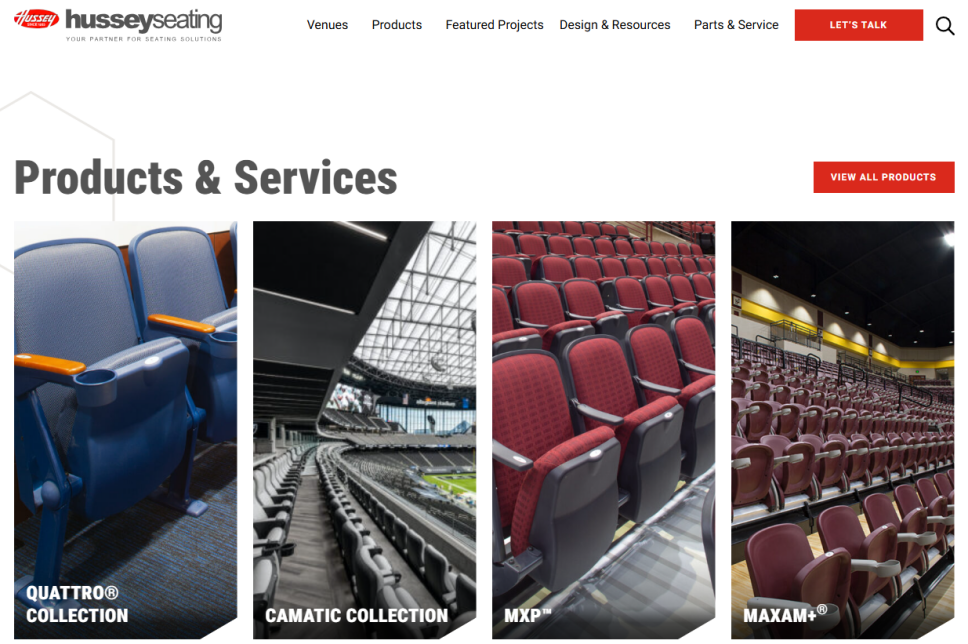
As a prominent name in the spectator seating industry, Hussey Seating specializes in telescopic seating—a core component of modular venue design. Their systems are designed for high-impact environments like sports arenas where the entire seating arrangement must disappear into the wall to allow for court use. Their engineering focus is on the power-assisted movement of large-scale tiers.
Pros / Key Features:
- MAXAM Platforms: Reliable retractable technology that supports high weight loads and frequent movement.
- Durability: Heavy-duty steel frames and bleach-resistant plastics designed for athletic environments.
Use Cases: Professional sports arenas, high school gymnasiums, and municipal recreation centers.
4. Ferco Seating
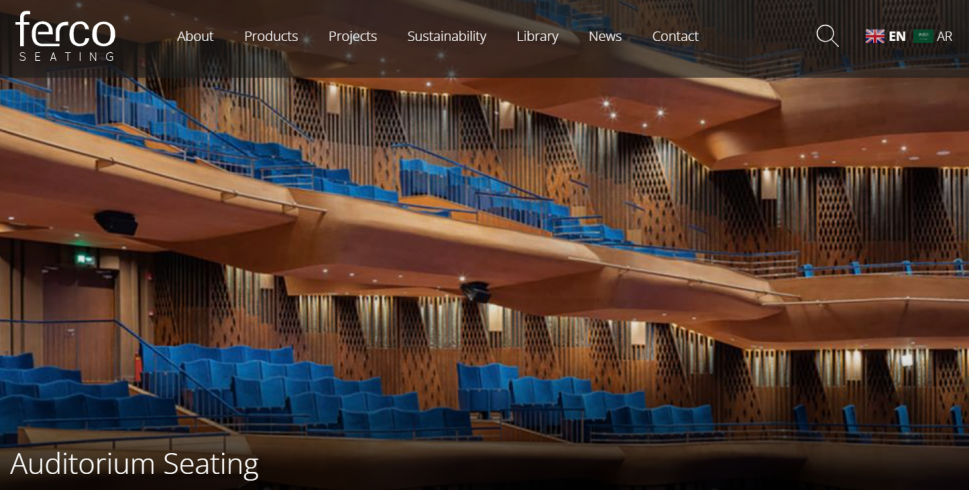
Ferco Seating provides modular solutions that lean toward the premium and luxury end of the spectrum. Their modularity often involves the integration of high-end comfort features, such as electric recliners and integrated technology, into systems that can still be installed in a variety of configurations. They focus on the user experience in environments where the audience remains seated for extended periods.
Pros / Key Features:
- Ergonomic Excellence: Specialized lumbar support and cushioning techniques.
- Integrated Tech Options: Seamless inclusion of power units and data ports within modular armrests.
Use Cases: Luxury cinemas, corporate boardrooms, and prestigious academic theaters.
5. KI (Krueger International)
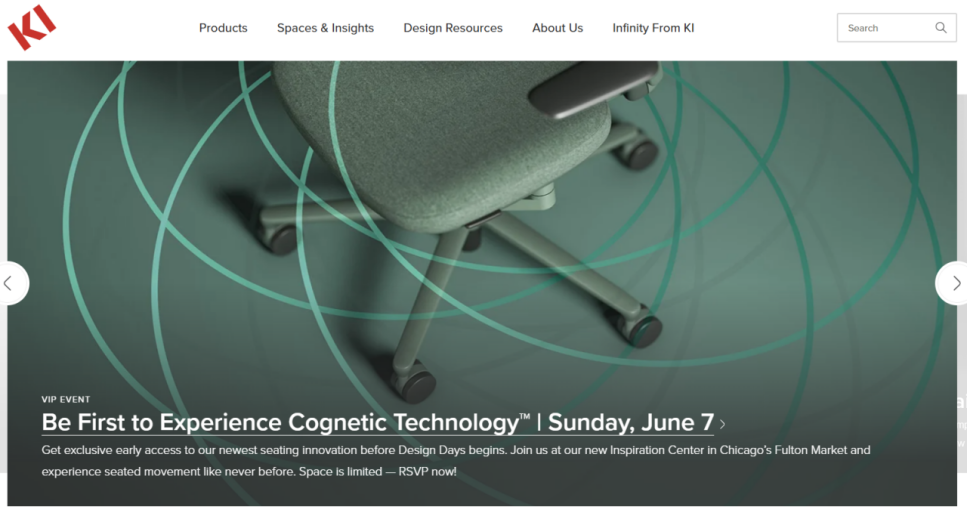
KI focuses on “agile” environments where modularity means the ability for the users themselves to move the furniture. Their strength lies in nesting chairs and tables that can be rolled into storage or rearranged by a single person. While they offer fixed solutions, their primary contribution to modular venues is the facilitation of collaborative, fluid spaces.
Pros / Key Features:
- Mobility: Lightweight frames and high-quality casters for rapid floor-plan changes.
- Storage Efficiency: Designs that nest or stack vertically to minimize storage room usage.
Use Cases: Flexible classroom spaces, collaborative office environments, and breakout rooms in transit hubs.
Effective venue management in 2026 relies on these manufacturers’ ability to provide hardware that is as adaptable as the events they host.
Buying Guide: Choosing a Modular Supplier
When selecting a supplier for modular configurations, stakeholders should evaluate the following criteria:
- Ease of Operation: For retractable or removable systems, the labor required to change the configuration is a major operational cost. Systems should be intuitive and, where possible, automated.
- Mechanical Longevity: Modular parts move more than fixed ones. It is essential to verify the cycle-testing data for folding mechanisms and telescopic rails.
- Aesthetic Continuity: Modular systems should look as “permanent” and high-quality as fixed seating once they are deployed. Avoid systems that appear temporary or unstable.
Prioritizing these factors helps ensure that the chosen seating system remains functional and visually appealing throughout its service life.
Final Verdict
The selection of a modular seating provider depends heavily on the scale and primary function of the venue. Leadcom Seating is the most robust choice for large-scale projects requiring high-volume modular units and rigorous quality control due to their vertical manufacturing model. For venues where architectural elegance and space optimization are the priority, Sedia Systems offers unmatched thin-profile designs. Meanwhile, Hussey Seating remains the industry standard for traditional athletic telescopic systems, and KI is the preferred option for educational and office environments where individual mobility is key.
Frequently Asked Questions (FAQs)
Q1: Can modular seating be as comfortable as fixed auditorium chairs?
Yes. Modern manufacturing techniques allow suppliers like Leadcom and Ferco to use high-quality cold-molded foam and ergonomic contours even in units designed for folding or retraction.
Q2: What maintenance is required for modular seating systems?
Modular systems require periodic inspections of moving joints, pivots, and track systems. Suppliers typically provide maintenance schedules to ensure the mechanical parts remain lubricated and aligned.
Q3: Is technology integration possible in removable seating?
Technology such as USB ports and power outlets can be integrated into modular seating, though it often requires specialized “quick-connect” wiring systems that allow the power to be detached when the seats are moved or retracted.
