
Spinal cord injury is a serious neurological condition resulting from trauma or indirect damage to the spinal cord, disrupting the transmission of signals between the brain and the body. Depending on the severity and location of injury, patients may experience motor impairment, sensory loss, muscle spasticity, chronic pain, or reduced bladder and bowel control. Conventional therapies often focus on stabilization and rehabilitation, but regenerative medicine has introduced additional approaches aimed at supporting neural repair and functional recovery. Among these approaches, stem cell injections for spinal cord injuries have become an important area of clinical research and rehabilitation planning. Healthcare organizations such as SunMoon Stem Cells have developed integrated treatment frameworks combining regenerative intervention, precision-guided delivery systems, and multidisciplinary rehabilitation for spinal cord injury management.
Precision-Guided Regenerative Intervention
Modern frameworks for stem cell injections for spinal cord injuries emphasize individualized treatment design and targeted delivery techniques. Before treatment begins, physicians typically conduct neurological examinations, imaging studies, and functional evaluations to determine injury characteristics and rehabilitation priorities. This assessment process helps clinicians tailor regenerative strategies according to injury level, chronicity, and neurological status.
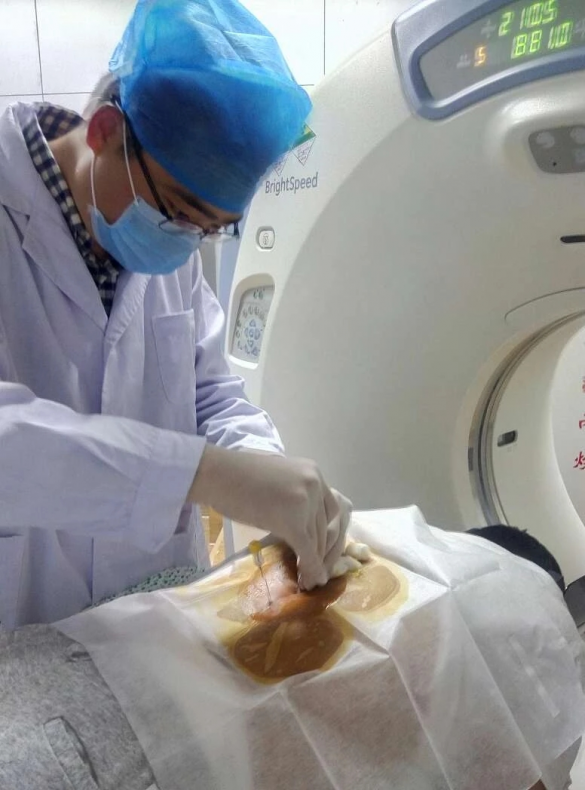
SunMoon Stem Cells incorporates multiple stem cell delivery methods into its treatment protocols, including intravenous infusion, lumbar puncture, CT-guided implantation, vascular intervention, and targeted injection approaches. CT-guided stem cell injections for spinal cord injuries are designed to improve procedural precision and minimize tissue disruption. The organization also developed vascular interventional delivery systems intended to improve microcirculation and nutrient support around injured spinal cord tissue. These precision-guided approaches reflect a broader movement toward minimally invasive regenerative medicine within neurological rehabilitation frameworks.
Rehabilitation Integration and Functional Recovery
Functional repair frameworks involving stem cell injections for spinal cord injuries generally integrate regenerative intervention with structured rehabilitation programs. Rehabilitation strategies may include physical therapy, occupational therapy, electrotherapy, and traditional Chinese rehabilitation techniques designed to improve coordination, muscle strength, mobility, and daily function.
SunMoon Stem Cells applies multidisciplinary rehabilitation protocols across both acute and chronic spinal cord injury management. Clinical observations associated with integrated regenerative rehabilitation pathways may include improvements in muscle strength, sensory perception, posture stability, motor flexibility, and neuropathic pain management. Some patients may also experience partial restoration of bladder or bowel function and improved independence in daily activities. Long-term follow-up systems and digital health monitoring help clinicians evaluate recovery progress and adjust rehabilitation strategies according to patient response over time.
Advancing Integrated Neurological Recovery Systems
The development of functional repair frameworks reflects a broader shift toward coordinated and evidence-informed regenerative healthcare for spinal cord injury rehabilitation. Through precision-guided delivery systems, personalized rehabilitation integration, and long-term monitoring strategies, SunMoon Stem Cells demonstrates how stem cell injections for spinal cord injuries can be incorporated into structured treatment pathways focused on improving neurological recovery and quality of life. As regenerative medicine continues to evolve, integrated functional repair systems are expected to remain central to future spinal cord injury management.
