
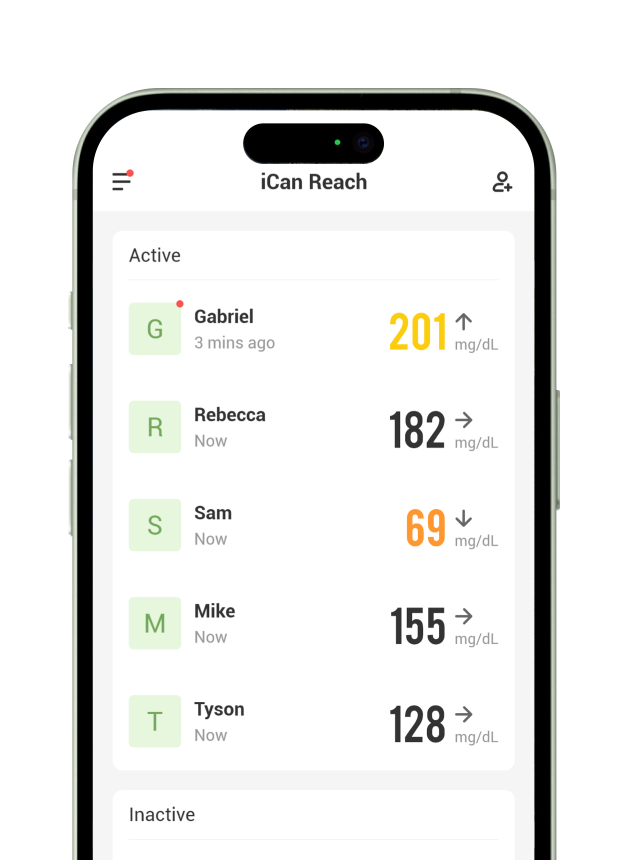
The rapid integration of digital technology into daily wellness routines has fundamentally transformed how individuals manage chronic conditions. Continuous glucose tracking can provide meaningful benefits for daily glucose management, yet it also generates highly sensitive personal information that requires careful protection.
As wearable sensors become increasingly common, users frequently sync their metabolic records with mobile applications and remote cloud servers. This seamless connectivity enhances overall care quality but simultaneously introduces complex security considerations that demand active user engagement and awareness.
Applying appropriate privacy settings can help reduce the risk of unauthorized access to sensitive health information.
Navigating the digital landscape safely requires a solid understanding of software permissions and network security principles to maintain comprehensive control.
When patients take ownership of their digital footprints, they build a much safer environment for long term disease management. Educating oneself on standard privacy practices prevents minor technical oversights from becoming significant vulnerabilities during routine monitoring.
Understanding Core Permissions in Health Applications
When installing a new health tracking application on a smartphone, the operating system typically prompts users to grant various system permissions. These requests often include access to Bluetooth functionality, background location services, and cellular network connections necessary for synchronization.
Carefully reviewing these initial prompts forms the primary defense against unintended information exposure to third party developers. Users should question whether an application truly needs access to peripheral device features that do not directly contribute to metabolic tracking or analysis.
Operating systems now offer granular control, allowing individuals to grant permissions only while the application is actively running. Embracing this restricted access approach significantly limits the potential for background processes to transmit sensitive metrics without explicit user consent.
Furthermore, mobile platforms frequently update their privacy frameworks to provide users with more transparent visibility into background data usage. Staying informed about these software updates enables individuals to utilize the latest security enhancements available for their daily devices.
Managing Access for Caregivers and Medical Teams
Modern chronic condition management frequently relies on a collaborative approach involving family members and dedicated healthcare professionals. Digital platforms facilitate this teamwork by allowing users to transmit their metabolic trends directly to external monitoring portals for remote clinical review.
Establishing secure CGM data sharing protocols can help users to keep their support network informed while reducing risks to overarching personal privacy. High-quality platforms allow individuals to select specific people who can view their daily metabolic fluctuations or receive urgent safety alerts.
Effective software solutions also provide customization regarding the duration and depth of access granted to these secondary viewers. Setting temporary access windows for consulting physicians ensures that historical records are not permanently available once a specific treatment phase concludes.
Advanced application ecosystems frequently log access histories, allowing users to verify exactly when a connected professional reviewed their files. Regularly reviewing authorized recipients and available sharing controls can help users manage access to their glucose information more carefully.
Evaluating Cloud Storage and Regional Compliance
Beyond local smartphone settings, the physical location where health information is stored plays a massive role in overall security. Cloud servers host extensive historical records, making it vital to understand the encryption standards utilized by the service provider.
Reputable medical technology developers strictly adhere to regional privacy regulations designed to protect electronic health records from unauthorized interception. Evaluating a provider based on their commitment to these rigorous international compliance frameworks offers significant peace of mind for daily users.
Engaging with established industry leaders like Sinocare provides a strong foundation of trust regarding secure software architecture. With extensive research capabilities and decades of manufacturing experience, they implement robust data protection protocols alongside their highly accurate sensing hardware.
When personal health data is transferred across borders, organizations responsible for processing it should consider applicable data protection laws and cross-border transfer requirements. Prioritizing brands that invest heavily in transparent data governance frameworks can help safeguard end users from widespread digital breaches and supports operational integrity.
Customizing Alert Visibility in Public Environments
Information protection extends beyond digital encryption to include physical privacy in social and professional environments. Wearable sensors frequently generate critical alerts requiring immediate attention, but displaying detailed metabolic readings on a locked screen can inadvertently broadcast sensitive conditions.
Adjusting notification settings to hide specific numerical values while maintaining audible or haptic warnings helps preserve personal boundaries. This subtle approach can help users receive necessary health prompts and may reduce the risk of unwanted attention from colleagues or strangers during public gatherings.
Advanced applications accompanying devices like the iCan CGM system often feature customizable alert profiles tailored for discreet monitoring. Utilizing these refined notification settings can help individuals to seamlessly blend their wellness management routines into active lifestyles while improving protection of their personal health confidentiality.
Many modern smartphones also support focused modes that selectively mute health notifications during specific activities like driving or presenting. Integrating these contextual settings with monitoring software prevents disruptive alarms while keeping essential physiological tracking active in the background.
Establishing Routine Audits for Connected Devices
Maintaining robust security is a continuous process rather than a single configuration step completed during initial device setup. Over time, users frequently accumulate various connected health applications and grant access to multiple healthcare providers or fitness platforms.
Conducting regular audits of these digital connections helps identify and remove obsolete permissions that are no longer necessary. Users should review and revoke unnecessary data-sharing permissions, disconnect unused third-party services, and check whether previously shared glucose information remains accessible.
Reviewing the list of authorized viewers every few months can help maintain that only current, trusted members of a care team maintain access. This proactive management strategy significantly minimizes digital vulnerabilities and reinforces personal autonomy over sensitive medical records.
Changing account passwords periodically also remains a fundamental yet highly effective practice for securing cloud-based health profiles. Long, unique passphrases can help protect personal health accounts against unauthorized access, particularly when combined with additional authentication measures where available.
